

Before01
Company overview
- Failure halts the line
- No room for a stoppage
- Need longer asset life
AI
A factory that never stops — predicting the future of your equipment through data
OVERVIEW
Reactive and preventive maintenance run on a clock; predictive maintenance runs on the condition of the machine.
Reactive maintenance
Preventive maintenance
Predictive maintenance
KEY FEATURES
From real-time collection through root-cause diagnosis and anomaly detection to remaining-life prediction.
Maintenance Capability
01 / 04
01
High-sensitivity sensors attached to equipment precisely collect key indicators such as vibration, noise and current around the clock. The large-scale time-series data collected is transmitted immediately to a cloud-based platform, building an integrated monitoring environment.
Management Scope

Real-time data collection
IoT sensors collect equipment condition data such as vibration, temperature and current in real time
WORKFLOW
For each capability, the order it runs in and the check it passes before moving on.
Sensor setup
vibration · current · temperature
Operation linking
speed · load · state
Signal cleansing
time · samples · quality
Baseline build-up
normal/abnormal operation history
Recorded alongside
Sensor/
Signal/
Sampling interval · gaps
Is there a comparison baseline for each operating condition?
Same condition → pattern analysis
Condition differs → split baseline by state
An example workflow · the detailed links and criteria are set to suit your floor.
SYSTEM ARCHITECTURE
From the data that goes in to the results on the floor.
01 / INPUT
CONNECTED OPERATIONS
AI Maintenance
03 / OUTPUT
01 / INPUT
CONNECTED OPERATIONS
AI Maintenance
CONNECTED OPERATIONS
AI Maintenance
03 / OUTPUT
METHOD
Equipment data collected and learned, then returned as the moment to service.
Data Ingestion
PLC / CNC
Modbus / OPC-UA
IoT SENSOR
Edge device link
SCADA link
Live process state
Frequency analysis · denoising · normalization
Maps timestamps to equipment history
Target System
AI/ML Modeling
Predictive maintenance engine
Anomaly detection
XGBoost · Isolation Forest
Failure classification
CNN, YOLO
RUL prediction
LSTM AutoEncoder
Compound cause analysis
Multimodal
Feedback & refinement
Operational visibility
Continuous learning
Failure prediction
Instant alerts past thresholds / automatic equipment stop
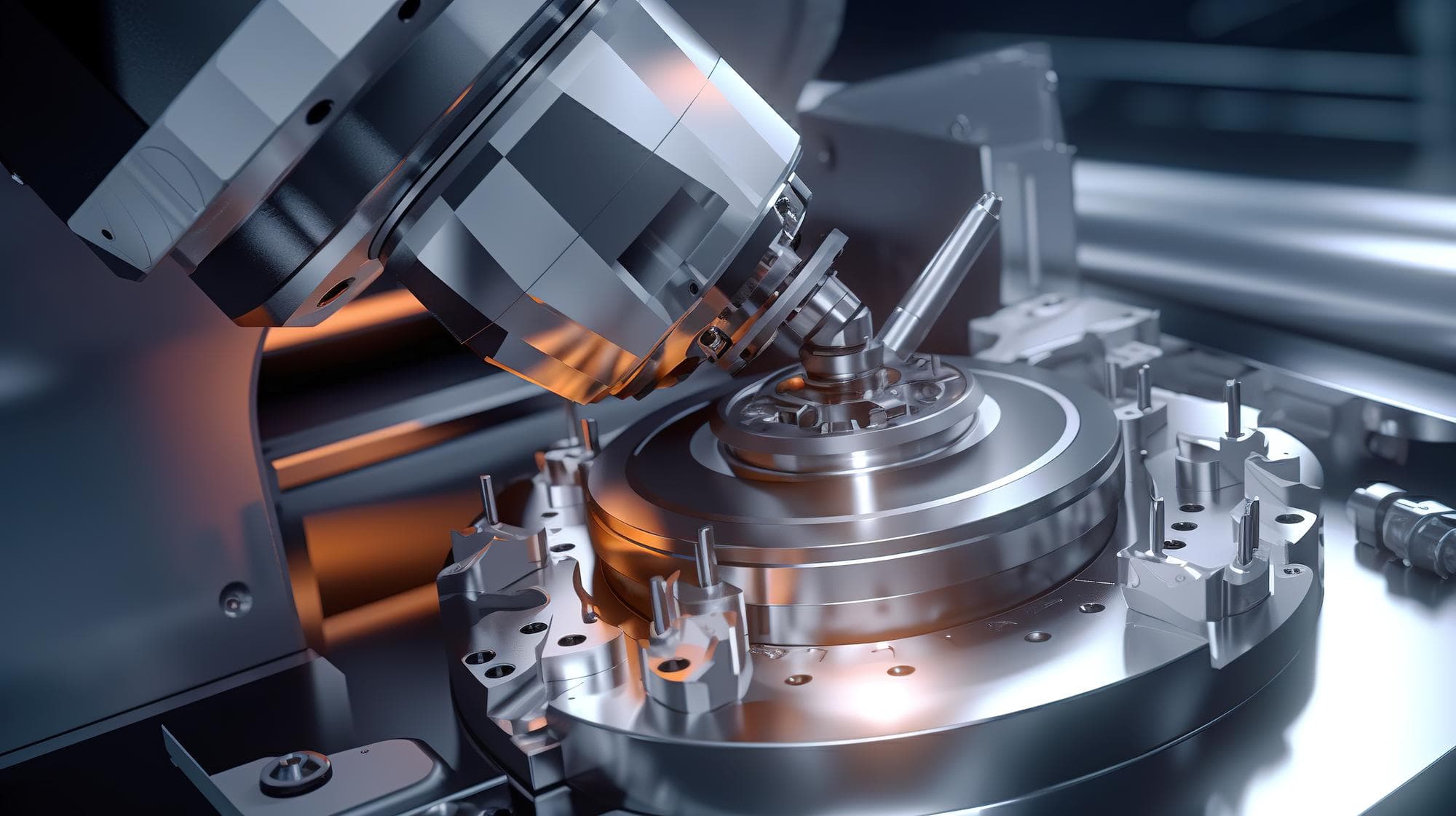
Manufacturing and machine tools
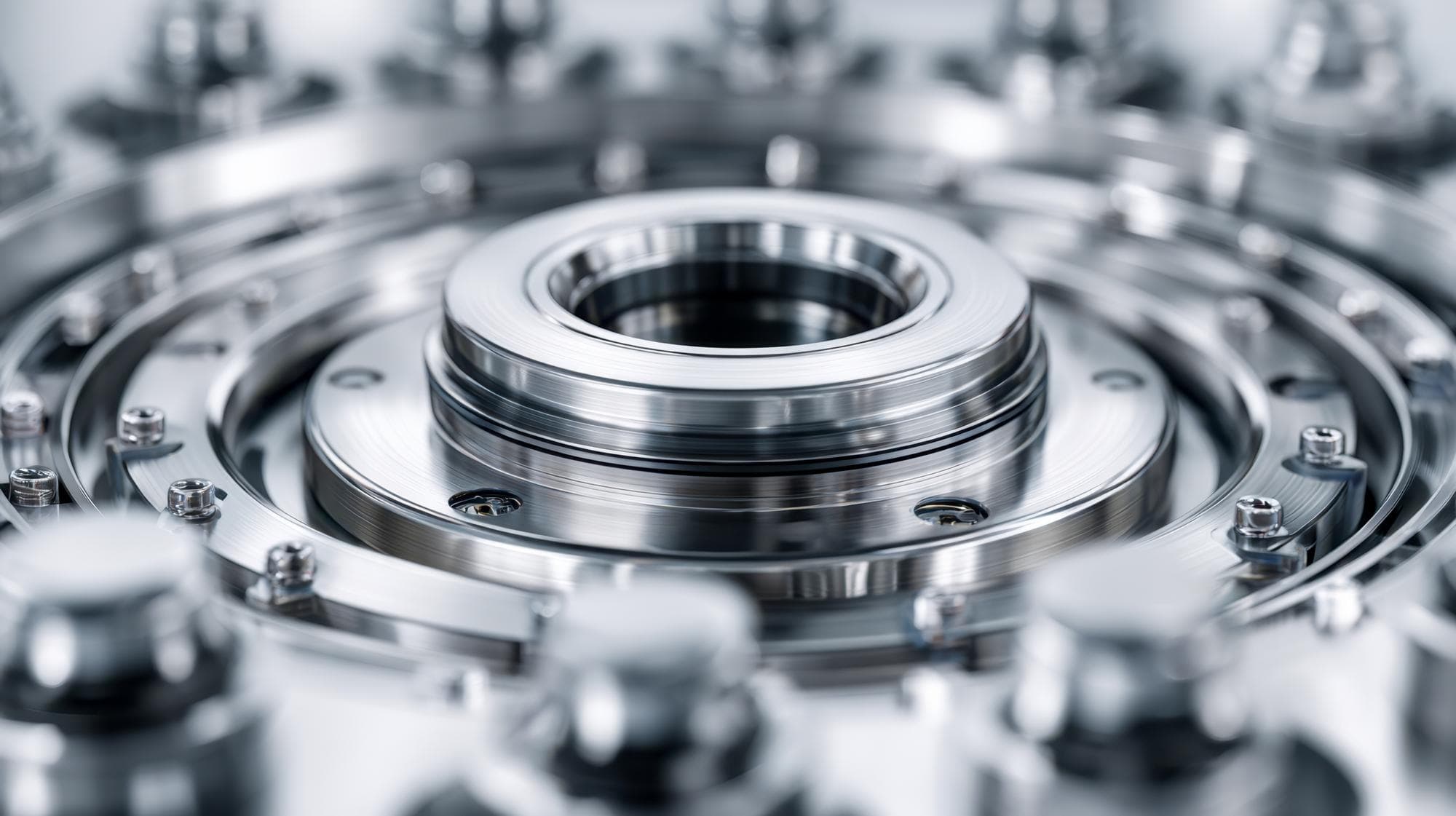
Rotating equipment

Energy/utilities

Robotics and automation lines

Transportation and mobility
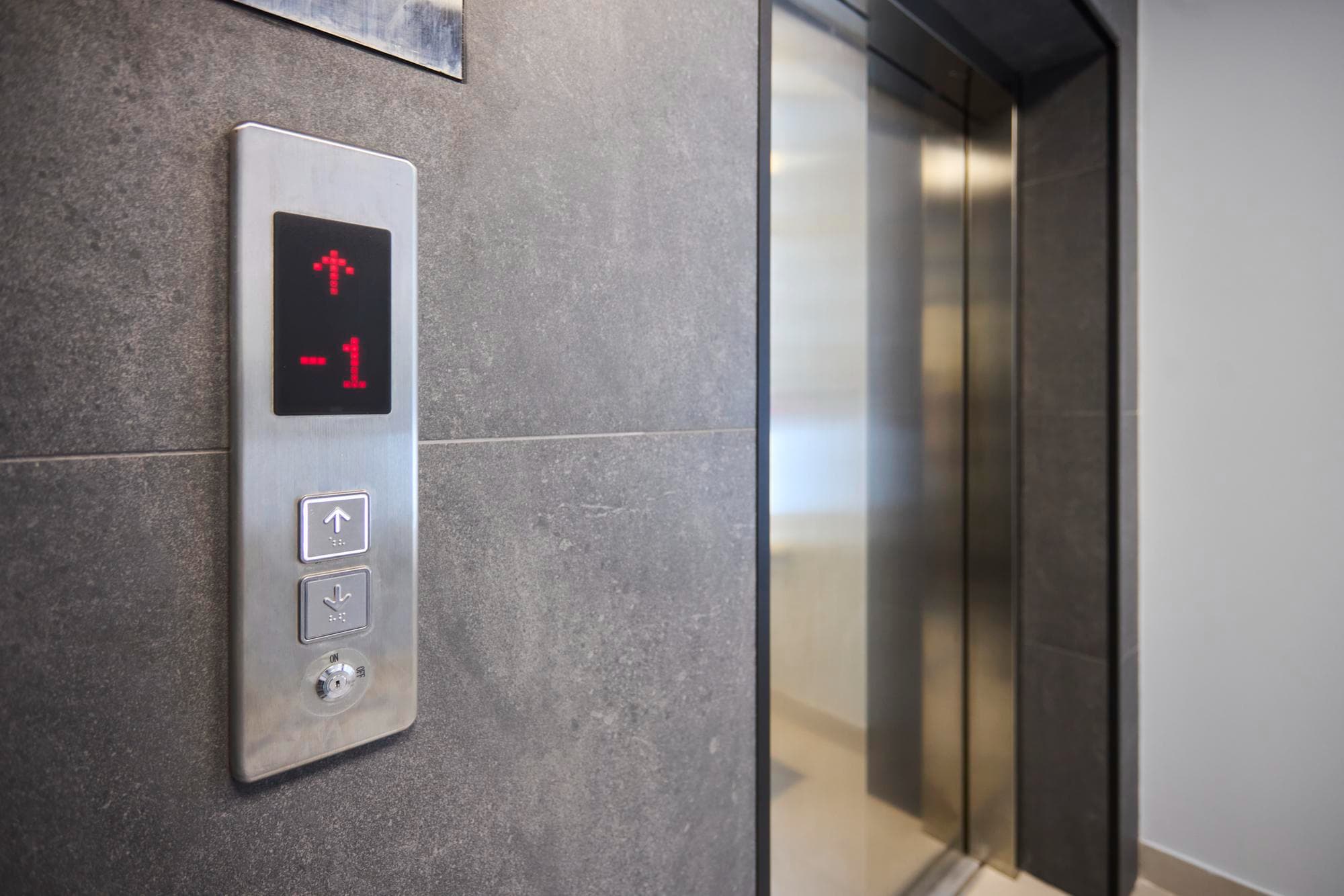
Buildings and infrastructure facilities
Manufacturing and machine tools
Rotating equipment
Energy/utilities
Robotics and automation lines
Transportation and mobility
Buildings and infrastructure facilities
Equipment is caught before it stops, not repaired after.
EFFECT
What it leaves behind — in unplanned stops, maintenance cost, spare stock and uptime.

Fewer unplanned stops
Anomalies are caught before they stop the line, and the best moment to service is known, so equipment only comes down when it was meant to.
Lower maintenance cost
Time-based maintenance gives way to condition-based, the premium that follows a breakdown is avoided, and cascading failures are headed off.
Smaller spare stock
Knowing when a part will be replaced removes the rush order and the safety stock held against it — only what is needed arrives, and on time.
Higher uptime
The cause is analyzed the moment something is off, so repairs are shorter, and the equipment is watched continuously against its design performance.
CASE STUDY
Reinforcement learning found the optimal operating policy, and abnormal vibration or noise was caught the moment it appeared.
Customer industry
High-layer-count PCB (MLB) manufacturing
Before01
After02
Business impact
Predictive maintenance where the equipment diagnoses itself