


AUTONOMOUS
Physics AI
Autonomous manufacturing where AI decides and machines act
OVERVIEW
AI that goes past analysis to move the floor
Physics AI carries the AI's decisions through to what equipment, robots and logistics actually do — turning a factory that collects data into one that decides and acts on its own.
WHY PHYSICS AI
Why AI alone does not change the shop floor
Decisions that stop at analysis, systems that act apart, and actions too risky to hand over without checking
Response delayed until someone acts on the alert 01AI that stops at analysis
Dashboards and alerts have multiplied, but action still waits for someone to check them. Problems are spotted, yet the response comes too late and the losses run on.
Each area decides on its own 02Decisions made apart
Quality, equipment and logistics are each decided in their own system. Fixing one causes trouble in another, and a decision right for the whole plant is hard to reach.
Held back from the floor without verification 03Actions hard to hand over
There is no way to see the result before an AI decision is applied to a machine. Without verification it is hard to act on, so decisions never reach the floor.
KEY FEATURES
Six core capabilities, from decision to action
What Physics AI does: understand the floor, decide, verify, act, and learn again.
Physics-based modelling
The physical properties of machines (heat, load, speed, wear) and the constraints of the process go into the model together, giving decisions a realistic footing even where data is scarce.
- Physical properties
- Process constraints
- Learning from simulation
- Calibration with floor data
- Machine specs
- Process standards
- Situation awareness
- Optimal decisions
- Under what conditions does this machine near its limits?
- Can it decide on processes with little data?
- How closely does the model match the floor?
ARCHITECTURE
How data becomes a decision, then action
Five stages, from collecting floor data to driving equipment. Select a stage to open the data and technology it uses.
01 · SENSE
Connects every piece of factory data in real time.
6 groups · 24 items
PLC
CNC
Robot
Sensor
Power
Gas
Flow
Temperature
Pressure
Vibration
Output
LOT
Work conditions
Vision inspection
Quality inspection
Status
Alarms
Failure history
AGV
AMR
Logistics data
Environment
Energy
Carbon
AUTONOMY LEVEL
At a pace that suits the plant,autonomy grows step by step
Nothing is handed over all at once. Autonomy widens in four steps, at the pace the floor's safety and quality requirements allow.
- 01
LEVEL 1
Human-in-the-Loop
- Decides
- AI proposes
- Acts
- People act
Suits
Early adoption, while the case for AI decisions is built
- 02
LEVEL 2
Approval-based semi-automation
- Decides
- AI drafts the action
- Acts
- Machines act once a person approves
Suits
Processes with strict quality and safety standards
- 03
LEVEL 3
Bounded closed loop
- Decides
- AI decides
- Acts
- AI acts directly within set limits
Suits
Adjustments with a clear scope, such as condition tuning or reassigning work
- 04
LEVEL 4
Autonomous control
- Decides
- AI decides
- Acts
- AI acts; people supervise
Suits
Repetitive processes that have been thoroughly verified
For floors that need decisions and action together.
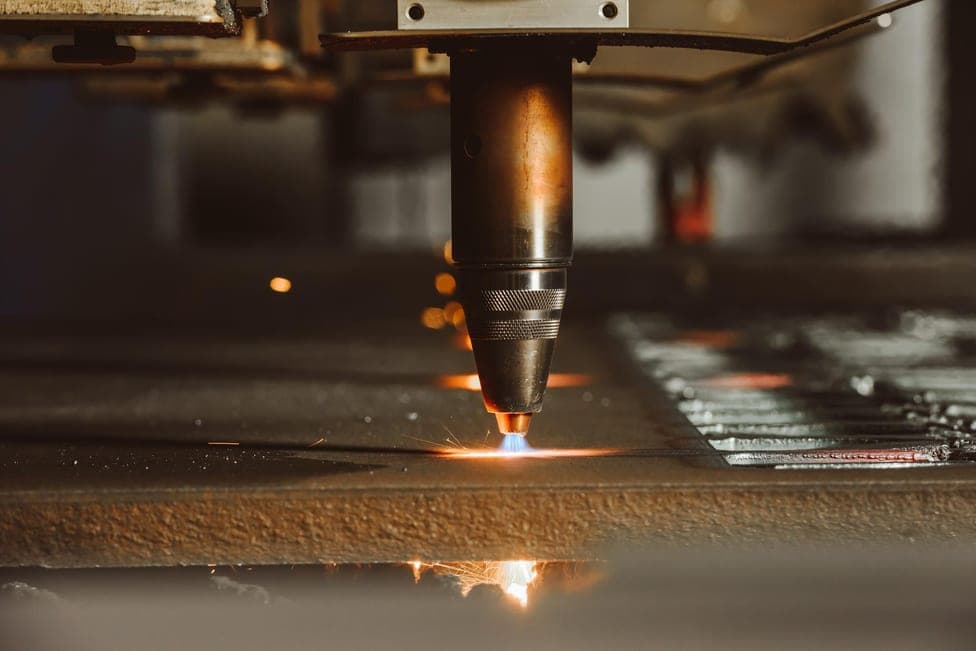
Metalworking
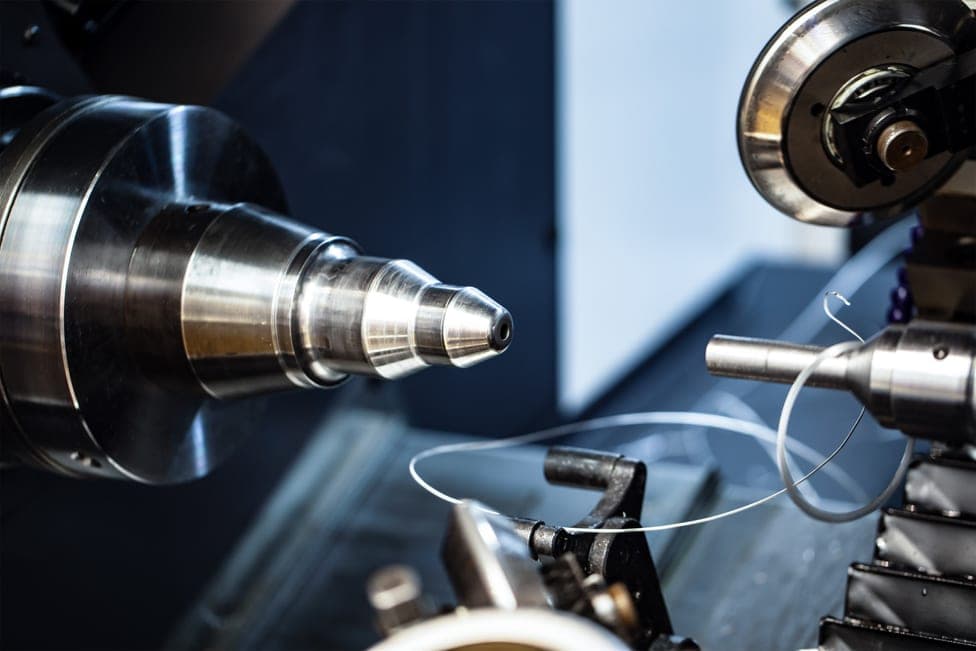
CNC machining
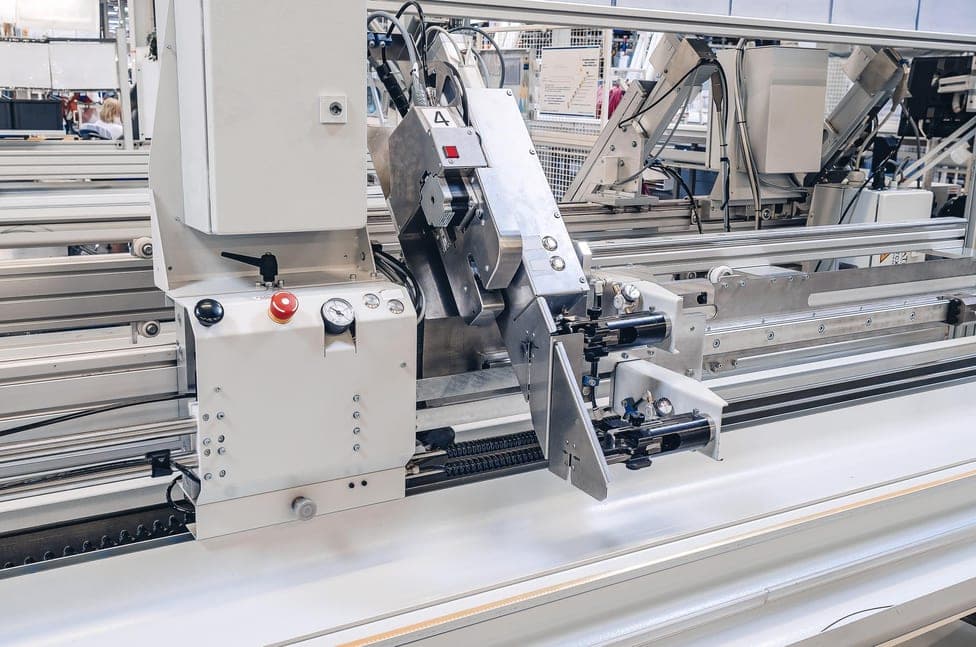
Injection moulding

Advanced industries

Logistics and distribution
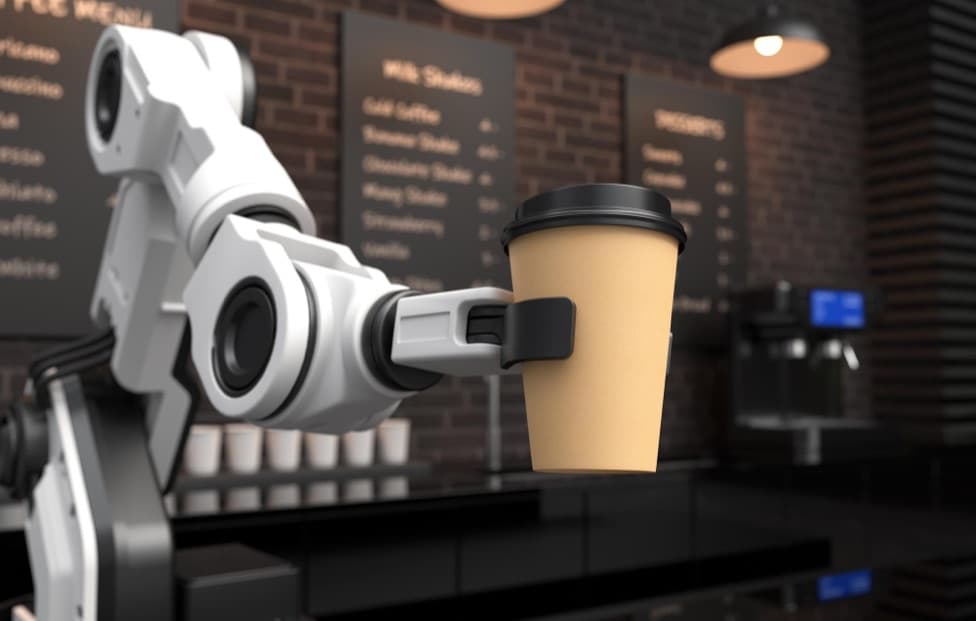
Food and beverage
Metalworking
CNC machining
Injection moulding
Advanced industries
Logistics and distribution
Food and beverage
SCENARIO
On the shop floor,this is how it moves
Examples of Physics AI carrying an incident from detection through to action.
LEVEL 2 · Approval-based semi-automation
Production : CNC machine stop
Conventional plant
Material keeps going to the stopped machine and CNC-02 runs dry
SENSE
Detects the CNC-01 stoppage in real time
DECIDE
Reassigns the remaining work to CNC-02
ACT
Reroutes the AMR · speeds up CNC-02
See it in 3DRESULT
The work carries on at CNC-02 and the line keeps running
LEVEL 3 · Bounded closed loop
Quality : Defect rate rising
Conventional plant
Defective parts keep coming until someone finds the cause
SENSE
Vision inspection detects more defects
DECIDE
Calculates corrected process settings
ACT
Adjusts CNC-01's process settings automatically
See it in 3DRESULT
Defects stop before they spread to the next lot
LEVEL 4 · Autonomous control
Logistics : AMR route blocked
Conventional plant
The AMR stops and CNC-02 runs out of material
SENSE
Detects the obstacle on the route
DECIDE
Replans a detour
ACT
AMR takes the detour and keeps supply running
See it in 3DRESULT
CNC-02 keeps getting its material
The situations and flows shown are examples to illustrate how it works.
PROCESS
From the factory you have today to autonomous operation, in four steps
We do not automate the whole factory at once. Data is connected first, and only decisions that have been verified are extended into action on the floor.

Assessment
- Survey of processes, equipment and robots
- Data collection and OT connectivity check
- Target processes and priorities selected

Data foundation
- Sensor, PLC and robot data connected
- AI-MES and data platform integrated
- Digital twin model built
AI decision and action validation
- AI models applied to a pilot line
- Control logic verified in simulation
- Approval-based semi-automatic execution
Autonomous operation rollout
- Pilot line results measured
- Rollout to more processes and lines
- Model retraining and operational refinement


EFFECT
Results
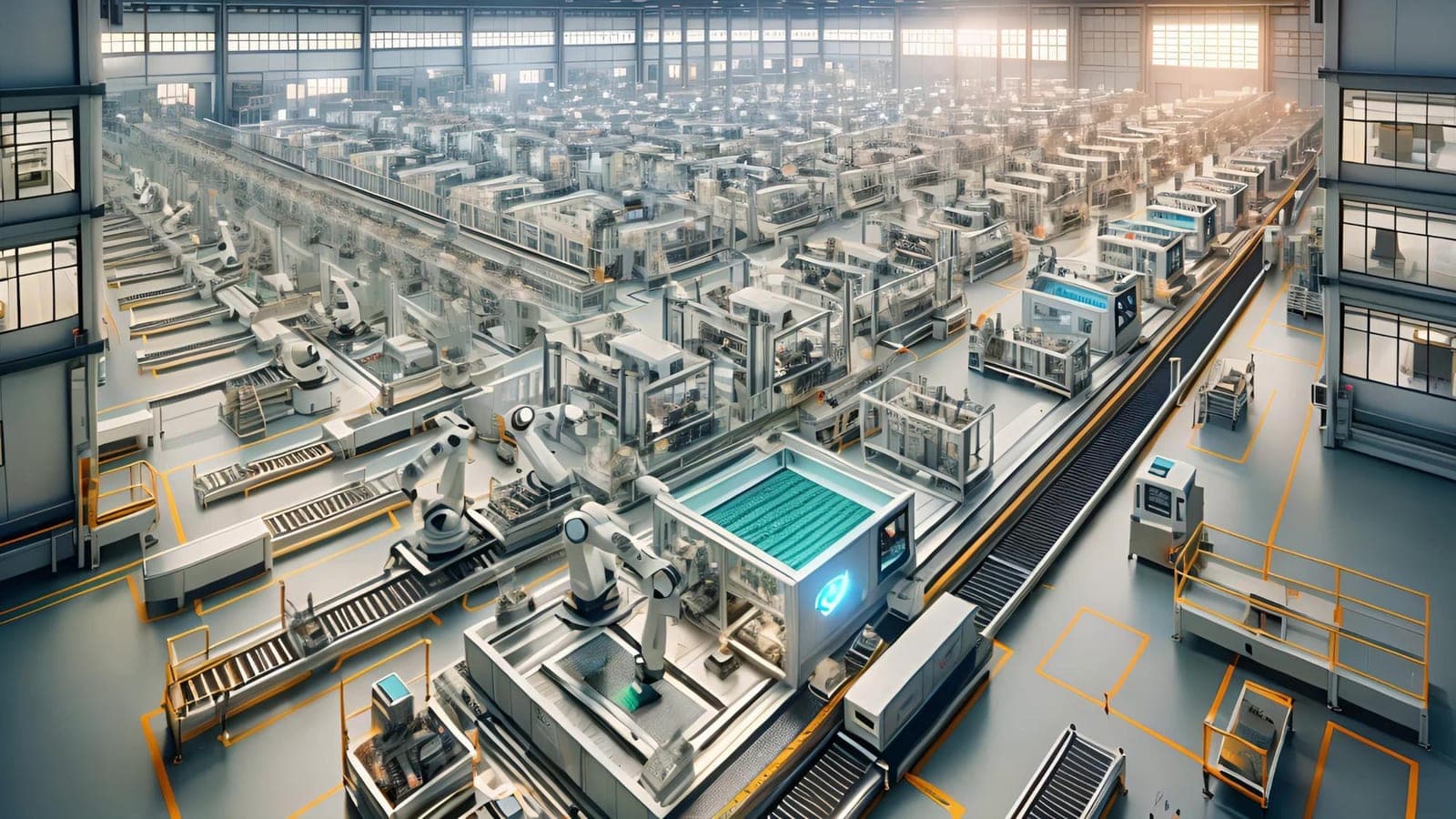
What changes in response time, line stoppages, quality and workload.
- 01
Faster response
The time spent waiting for someone to confirm, from detecting a problem to acting on it, shrinks, so problems are handled before they grow.
Response timeWaiting to confirmDelayed action - 02
Fewer line stoppages
When a machine has a problem, the remaining work moves to other machines and production carries on without stopping the line.
Line stoppagesMachine uptimeContinuity - 03
Defects contained
Quality drift is corrected through process conditions straight away, before defects spread to the next lot.
Defect spreadProcess conditionsLot quality - 04
Lighter decision load
AI takes on the routine decisions and actions, and operators focus on approvals and exceptions.
Decision loadApprovalsExceptions
FAQ
Questions asked before getting started
Can we keep the MES and machines we use now?
Yes. Nothing is replaced: it connects to the data and control paths of the systems already in place and builds out step by step.
Does the AI drive the machines from day one?
No. It starts with AI proposing and people acting, then widens to approval-based and bounded automatic action on the processes where it has proven itself.
What happens if the AI decides wrongly?
Results are checked in the digital twin before anything runs, and instructions outside safe limits are blocked. Operators can stop automatic execution and take over at any time, and every decision and action is logged.
Which process should we start with?
One where data is already being collected and the effect of an action is clearly bounded. A current-state assessment helps pick processes with high impact and low risk.
How long does it take?
It depends on the plant's data maturity and target process; it is proven on a pilot process first and the schedule is set together.