


DATA
AAS
A common infrastructure that gives every plant asset a standard digital identity and connects the data of every system
OVERVIEW
One standard format for information that differs with every asset
The Asset Administration Shell (AAS) is an international standard that gives each asset — equipment, part or product — a digital identity in a standard format.
BEFORE
Information that differs with every asset
Specifications sit in PDFs, signals in PLC tags, history in someone's spreadsheet. Every new system means agreeing on a format all over again.
AAS
A digital identity in a standard format
Specifications, documents, condition and history go into standard submodels, so any system reads and writes them the same way.
WHY AAS
Why a standard is needed now
Integration work repeats, asset information is not reused, and the supply chain asks for a defined format.

01Integration built again each time
Every vendor and system has its own data format, so each connection means another interface and another mapping.

02Asset information that is not reused
Replace a machine or extend a line and the specifications, documents and integration settings have to be assembled from scratch.

03A supply chain that asks for a format
Customers and regulators expect product and equipment data in a defined format. Collecting documents by hand does not scale to that.
ROADMAP
Scattered data, one standard
Names and units that differ machine to machine are put into the AAS standard, so every system reads them the same way.
KEY FEATURES
Six capabilities an AAS needs
Modelling the asset, filling it with values, making it findable and proving it holds to the specification are one piece of work.
AAS Capability
01 / 06
01
Asset modelling
Submodel management
Data integration
Registry and discovery
Conformance checking
Query and integration API
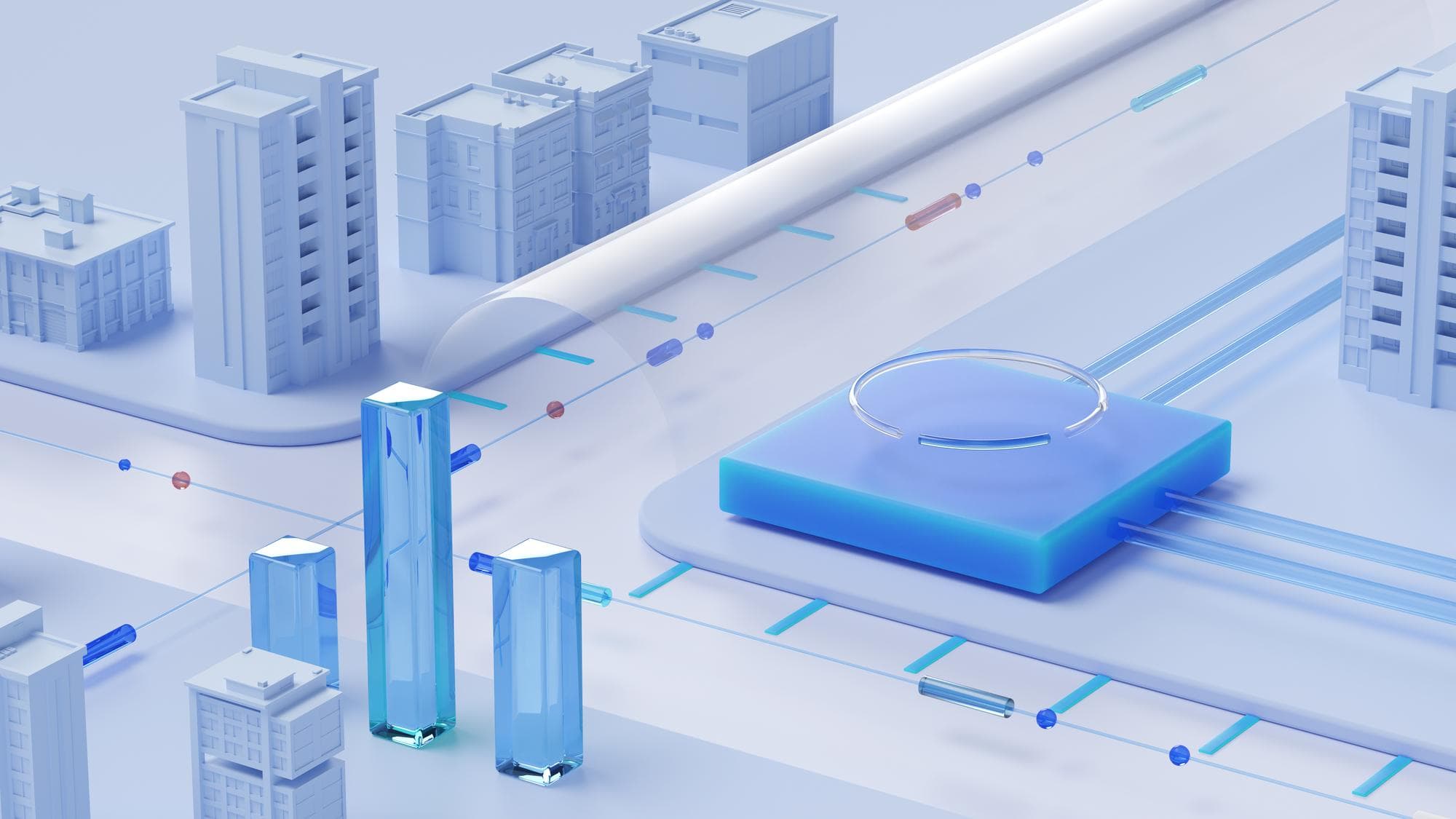
Defines asset kinds and hierarchy, registering Type and Instance as separate things. Machines of the same model share one Type; each machine gets its own identifier as an Instance.
Management Scope
- Asset hierarchy
- Type · Instance
- Unique identifiers
- Model reuse
Asset modelling
A physical asset becomes a digital model with a kind and a place in the hierarchy.
STRUCTURE
One shell per asset,submodels inside it
A standard shell wraps the real asset, and the submodels inside it hold the asset's information in named parts.
- 01Digital NameplateManufacturer, model, serial number and build date — the nameplate information that identifies the asset.
- 02Technical DataRatings, capacity, dimensions and performance, held as named technical properties.
- 03Handover DocumentationManuals, drawings, test reports and certificates, attached to the asset itself.
- 04MaintenanceService intervals, replacement parts and repair history — what accumulates while the asset runs.
- 05Energy · Carbon FootprintEnergy use and product carbon footprint as standard properties, ready to submit to the supply chain.
- 06Time Series DataOperating data as a standard time series, so analysis systems read it as it is.
- DESIGNTypeThe design-stage definition. Assets of the same model share one Type AAS.
- FIELDInstanceEach individual unit on the floor, carrying its own condition and history by serial number.
From handover to the supply chain, one set of asset data carries through

Equipment handover

Supply chain exchange
Predictive maintenance

Line expansion and reconfiguration

Digital twin integration
Regulation and certification
Equipment handover
Supply chain exchange
Predictive maintenance
Line expansion and reconfiguration
Digital twin integration
Regulation and certification
FAQ
Frequently asked questions
What is AAS?
An international standard that gives each asset — machine, part or product — a digital identity in a standard format. An asset's specifications, documents, state and history are held in standard submodels, so every system reads and writes them the same way.
Do we have to re-enter existing PLC and MES data?
No. Values come from existing sources such as PLC, MES and PLM to fill the submodel items. Once source tags and properties are mapped, the submodels update on the same basis whenever the values change.
How do other systems read AAS data?
External systems read and write the same way over REST API and OPC-UA. Access is scoped by permission, so operations, analytics and the supply chain all use the same original.
Can we submit in the format customers and regulators require?
Each AAS is validated against the standard and exported as an AASX package. Missing mandatory items and format errors are caught before submission, and product-level carbon emissions are carried in standard items too.
If we replace equipment or add a line, do we start over?
Machines of the same model share one Type, and each individual machine gets its own identifier as an Instance. With assets in the registry, there stays one path to find them however many systems are added.
CONNECT THE NEXT
Connected solutions
The solutions that take the data AAS organises and carry it on.
START WITH YOUR FACTORY
Start with your factory's own challenges
Check where you stand with the AX readiness check first, then carry on to a consultation.