

DIGITALIZE
QMS
Quality in one flow, from inspection to improvement
Incoming, in-process and outgoing inspection, nonconformities and corrective actions managed together, for more efficient company-wide quality management.
OVERVIEW
Quality that used to stop at inspection,carried through to improvement
Records of inspection, testing, judgment, defects and improvement are tied to the lot, turning quality that finds defects into quality that prevents them.
Use the buttons above to change the view.
Quality as one, from receipt to shipment
Incoming, in-process and outgoing inspection results gather on the QMS platform, and nonconformities lead to quarantine and corrective action.
- Inspection records at each stage
- Quality history by lot
- Nonconformity linked to action
Area status
- SupplierNormal
- IncomingNormal
- In-processNormal
- OutgoingNormal
- NonconformityNormal
- CustomerNormal
- Material and product flow
- Inspection results (floor → platform)
- Judgments and actions (platform → floor)
An example scene to aid understanding. The actual setup is designed for each site.
WHY QMS
Why do you need QMS?
Quality management doesn't stop at recording inspection results — it finds the cause of defects and keeps them from coming back.
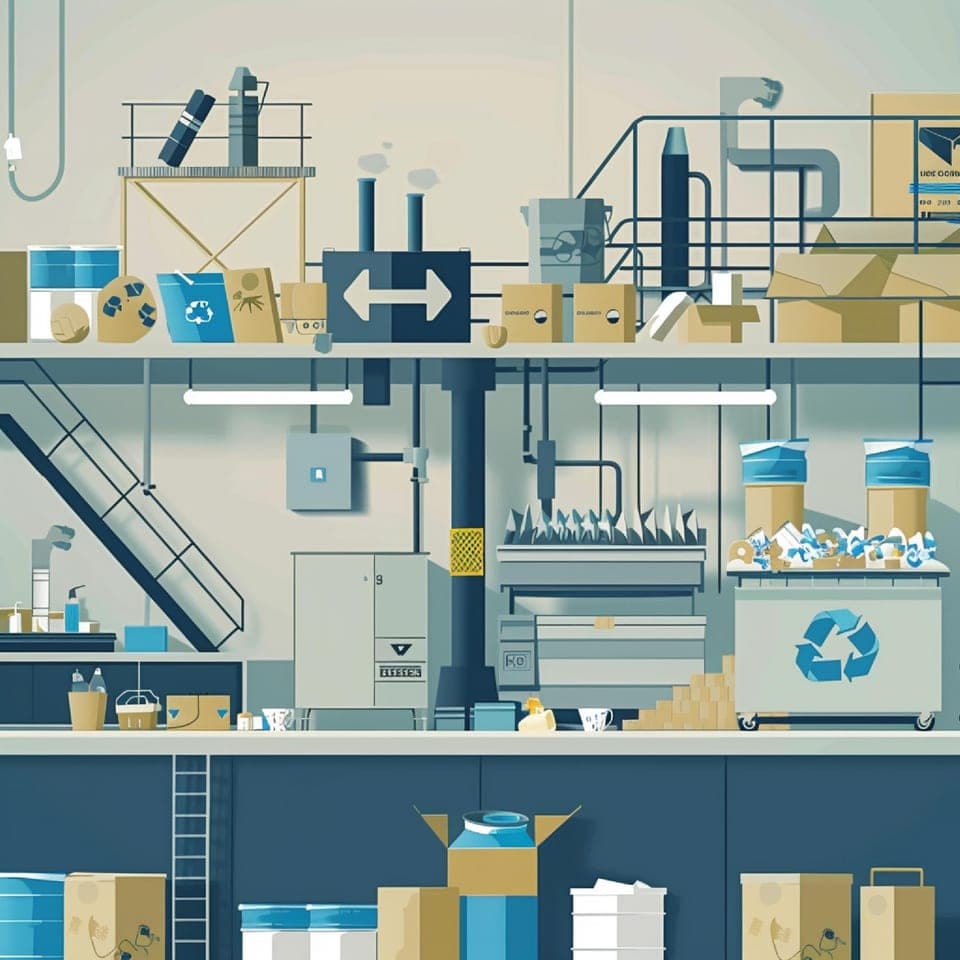
01Quality found after the fact
If defects are only found at inspection once the goods are made, the cause is hard to trace and the loss has already happened.
02Inspection records by hand
When measurements and judgments live on paper certificates or spreadsheets, lot histories are hard to find and evidence hard to show customers.

03The cost of recurring defects
If the causes and actions of nonconformities aren't kept, the same defects and claims recur and quality costs keep rising.
SYSTEM ARCHITECTURE
One quality system from receipt to shipment
Data from MES, ERP and the measuring and inspection instruments drives inspection at every stage, and nonconformities are carried through to corrective action.
01 / INPUT
QMS PLATFORM
QMS
03 / OUTPUT
01 / INPUT
QMS PLATFORM
QMS
QMS PLATFORM
QMS
03 / OUTPUT
KEY FEATURES
Five functions that connect quality
From incoming, in-process and outgoing inspection to nonconformity management and corrective action.
Incoming inspection
Inspection criteria for expected material are loaded, samples inspected, and the judgment recorded against receipt or hold and the supplier's quality history.
- Inspection criteria
- Sample inspection
- Pass or hold
- Supplier quality history
- Expected receipts
- Inspection criteria
- Receipt or hold
- Supplier rating
- Which material needs inspecting today?
- Where is the held material?
- Which supplier has frequent defects?
Every industry has its own quality standards — we build the quality system that fits its floor.
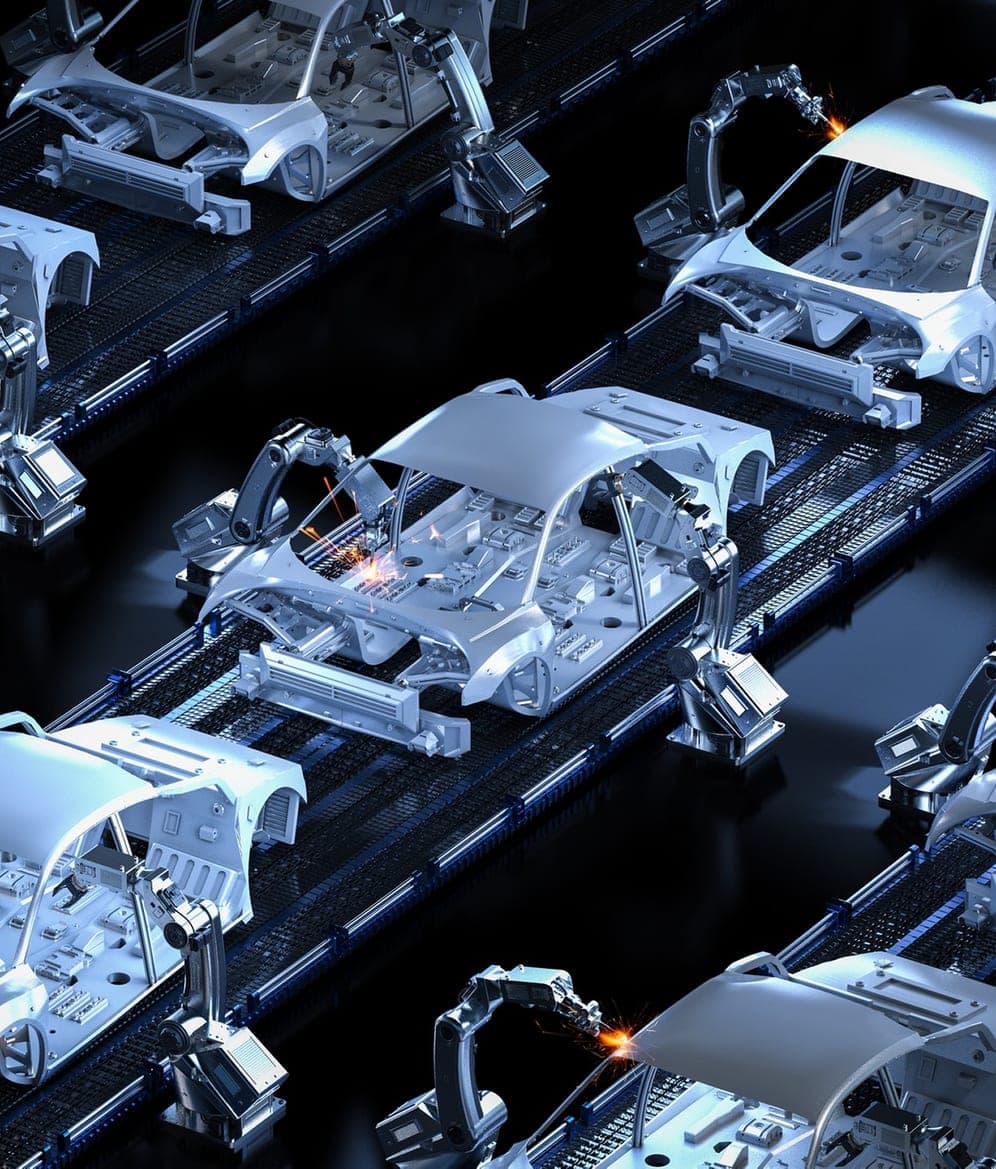
Auto parts
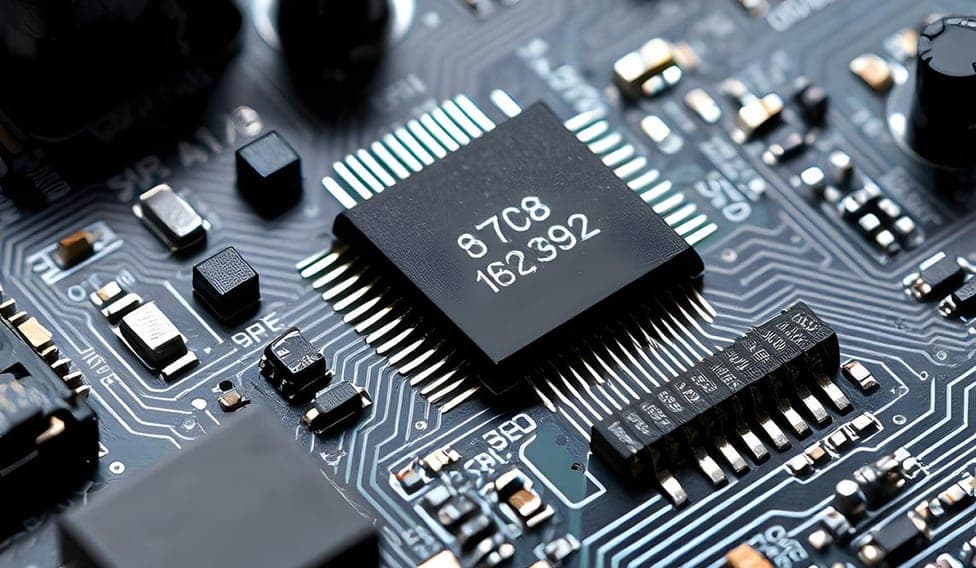
PCB and electronics
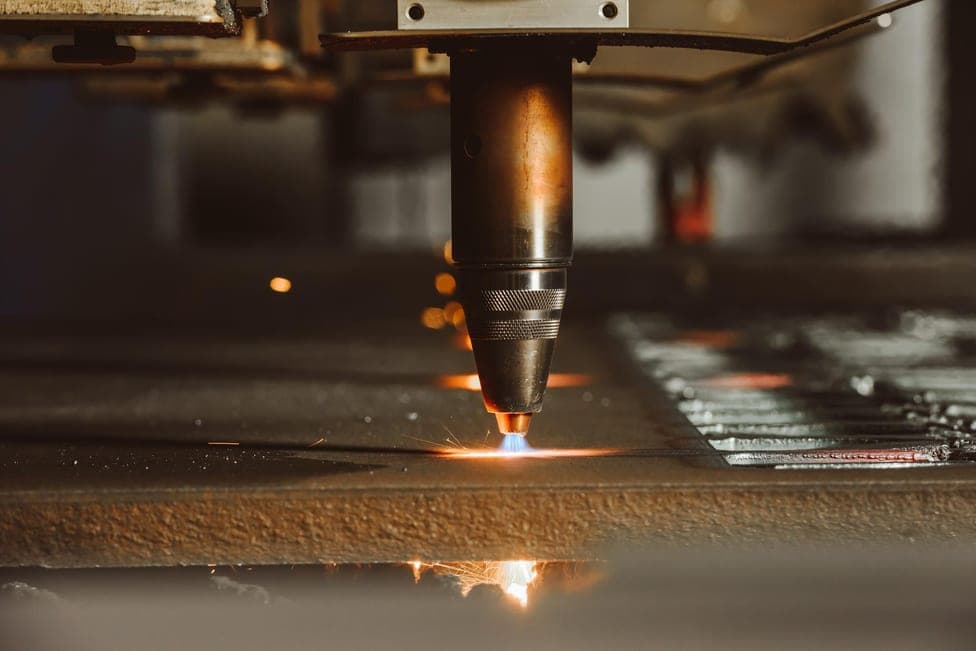
Casting, forging, heat treatment
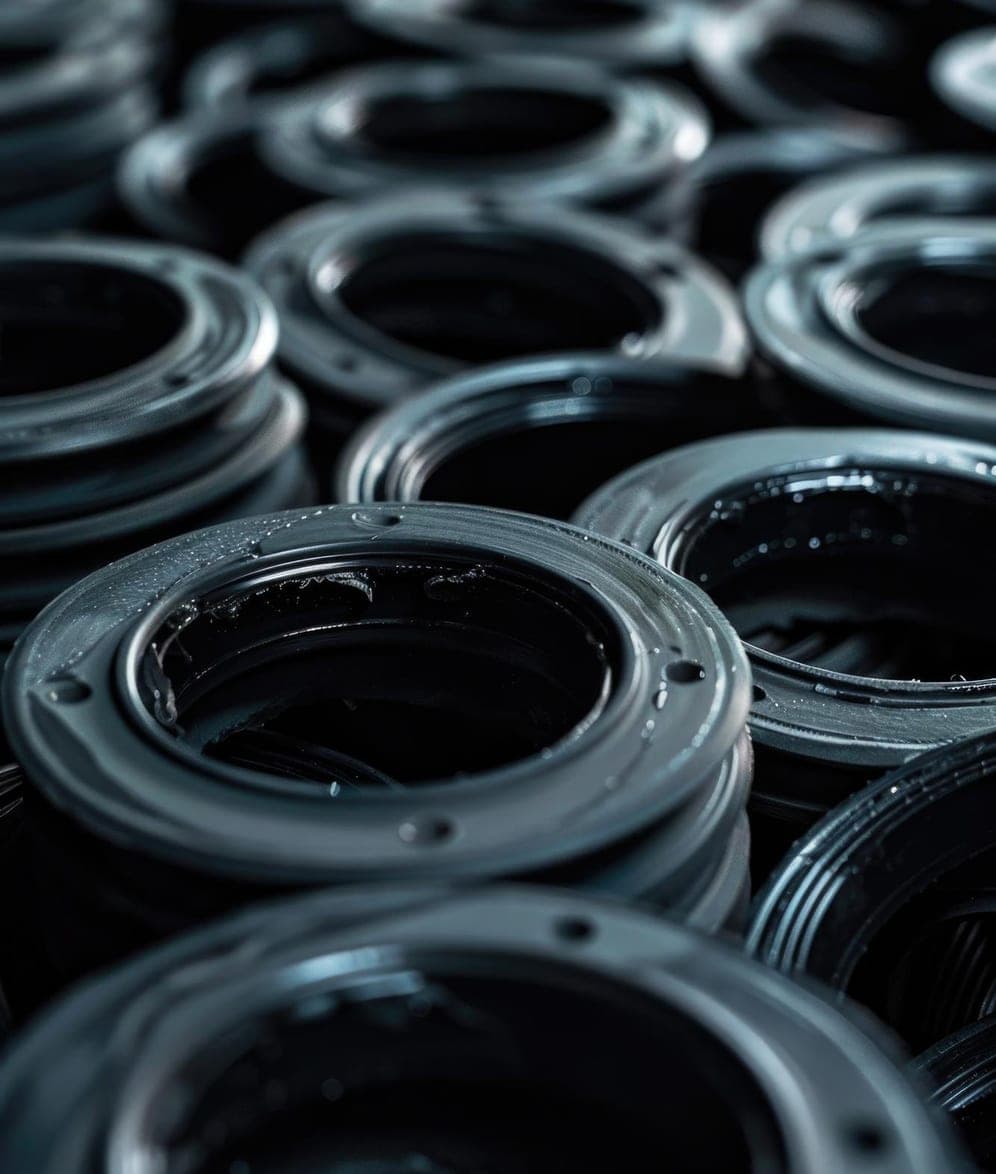
Plastics and injection molding

Food

Chemicals and materials
Auto parts
PCB and electronics
Casting, forging, heat treatment
Plastics and injection molding
Food
Chemicals and materials
PROCESS
Build process
The key work at each step, from assessment to stabilization.
Assessment
- Map inspection work and criteria
- Review how records flow
- Find improvement needs
System design
- Standardize criteria and items
- Design nonconformity handling
- Design MES and ERP links
Build
- Inspection and SPC functions
- Connect instruments
- Quality control screen
Verification and operation
- Integration testing
- Inspector training
- Stabilization and support


EFFECT
Effects
What it leaves behind in prevention, traceability, digital records and quality cost.

- 01
Quality built on prevention
Process anomalies are caught early by SPC, so defects are stopped before they happen rather than found after.
SPC watchEarly detectionDefect prevention - 02
Quality traced by lot
Inspection records from raw material to finished goods are linked by lot, so when a problem appears its scope and cause are found at once.
Lot tracingInspection historyFast root cause - 03
Inspection records gone digital
Results stay in the system instead of on paper certificates, so roll-ups and reports are faster and evidence for customers is clear.
Digital certificatesAutomatic roll-upCustomer response - 04
Lower quality cost
Causes and corrective actions are managed to the end, reducing the cost of recurring defects and claims.
No recurrenceFewer claimsLower quality cost