


DIGITALIZE
SCM
The supply chain you could not see, managed at a glance
Supply chain information scattered across production, logistics and customer delivery is connected into one, for faster and more accurate decisions.
OVERVIEW
Scattered supply chain information,joined into one flow by SCM
A way of managing every step from sourcing raw materials to delivering to the customer as one integrated whole.
Use the buttons above to change the view.
The whole supply chain as one flow
Materials and products flow from suppliers to customers, and the SCM platform gathers what happens at every stage in real time.
- Material and product flow
- Information from every stage
- One integrated view
Stage status
- SuppliersNormal
- PurchasingNormal
- ProductionNormal
- WarehouseNormal
- LogisticsNormal
- CustomersNormal
- Material and product flow
- Status collected (stage → platform)
- Plans and orders (platform → stage)
An illustrative scene. The actual setup is designed around your site.
WHY SCM
Why do you need SCM?
SCM lets you see the whole supply chain as one connected picture, giving you the ability to spot problems early and act before they hit.

01A more uncertain supply chain
As uncertainty in global supply chains grows, disruptions such as raw material shortages and logistics delays have become part of everyday business.

02Data scattered across departments
With purchasing, production, inventory and logistics data each managed separately, it is hard to respond quickly to these changes.

03Reacting to risk too late
Without a view of the whole chain, problems are not caught early and are only dealt with after they have happened.
SYSTEM ARCHITECTURE
One operating system across the whole supply chain
Information is linked across suppliers, purchasing, production, warehouses, logistics and customers, so the operation of every step in the supply chain is managed as one.
01 / INPUT
SCM PLATFORM
SCM
03 / OUTPUT
01 / INPUT
SCM PLATFORM
SCM
SCM PLATFORM
SCM
03 / OUTPUT
KEY FEATURES
Five services that join up the supply chain
From demand forecasting through purchasing, inventory and logistics to supply chain visibility.
Demand forecasting and planning
Past sales data and market trends are analysed to forecast demand accurately, and production and purchasing plans are built on that forecast.
- Sales analysis
- Demand forecasting
- Link to production plans
- Link to purchasing plans
- Sales results
- Market trends
- Purchasing
- Production plan
- What will demand for this item be next month?
- How far apart are forecast and actual?
- When does it go into the production plan?
Every industry runs a different supply chain — we build the operating environment that fits its flow.

Automotive

Electronics & semiconductor

Food & beverage

Pharmaceutical & biotech

Chemical & petrochemical
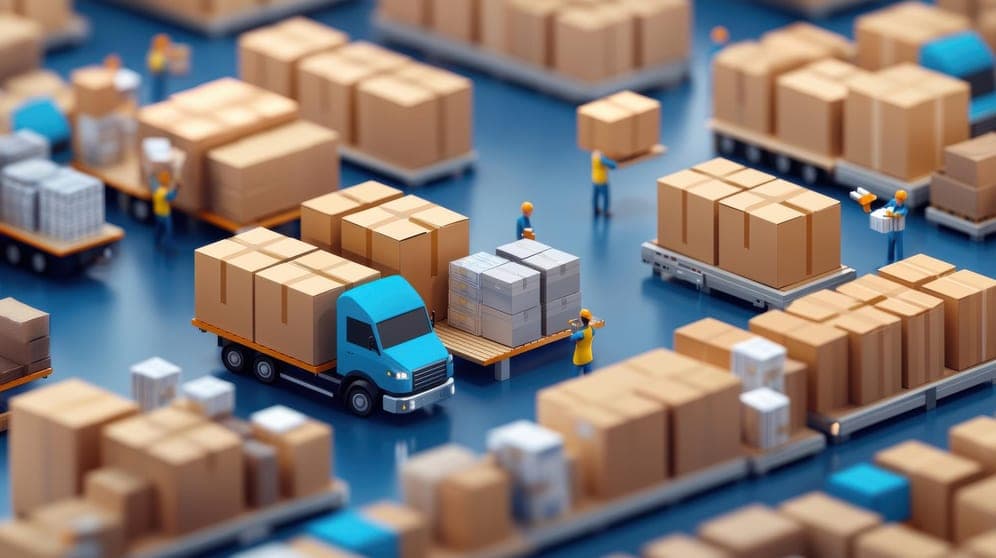
Distribution & logistics
Automotive
Electronics & semiconductor
Food & beverage
Pharmaceutical & biotech
Chemical & petrochemical
Distribution & logistics
PROCESS
Implementation process
From analysis to operation — the core work at each step.
Current-state analysis
- Current operations analysis
- Process and data flow diagnosis
- Improvement requirements

Design
- Integrated process design
- Criteria and function definition
- ERP·MES·WMS integration design

System build
- Core function development
- Legacy system integration
- Monitoring and dashboards

Validation & operation
- Integrated testing
- User training and manuals
- Stabilization and support


EFFECT
Outcomes
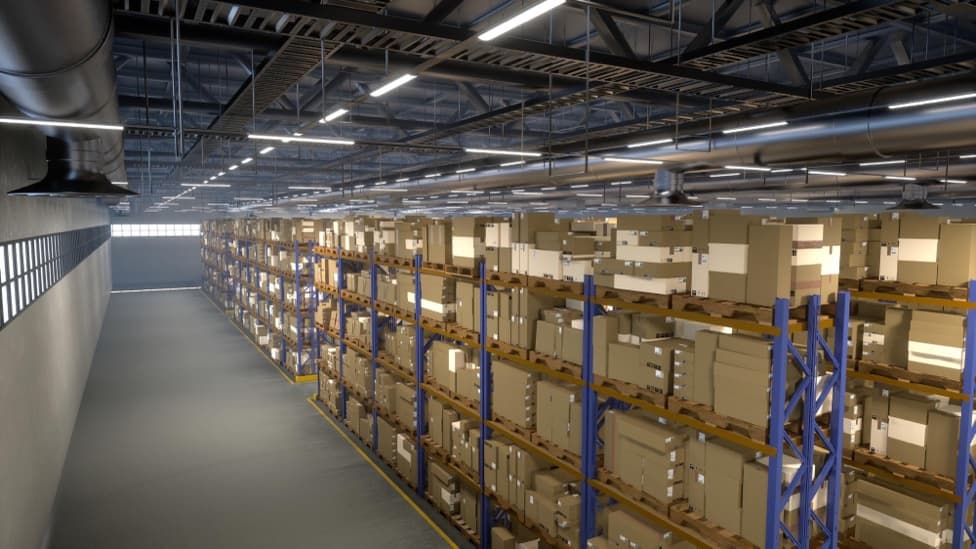
What it leaves behind in supply chain visibility, production planning, inventory and delivery.
- 01
Supply chain visibility
Operations and material flows across the supply chain are seen as one, supporting fast and accurate decisions.
Real-time statusMaterial flowFaster decisions - 02
Optimized production planning
Production plans that reflect market demand and material supply make operations more flexible and responsive.
Demand-drivenFlexible productionPlan accuracy - 03
More efficient inventory
Stock is kept at the right level from supply and demand data, easing the burden of overstock and material shortages.
Right stockLess overstockNo stockouts - 04
Stronger logistics and delivery control
Logistics flows and delivery schedules are managed systematically, preventing delays and improving on-time delivery to customers.
On-time deliveryShipment trackingFewer delays