

Before01
Company profile
- Hand-written rounds
- Fragmented records
- Limited MES visibility
DX Solution
A digital twin that connects the physical and the virtual
SYSTEM ARCHITECTURE
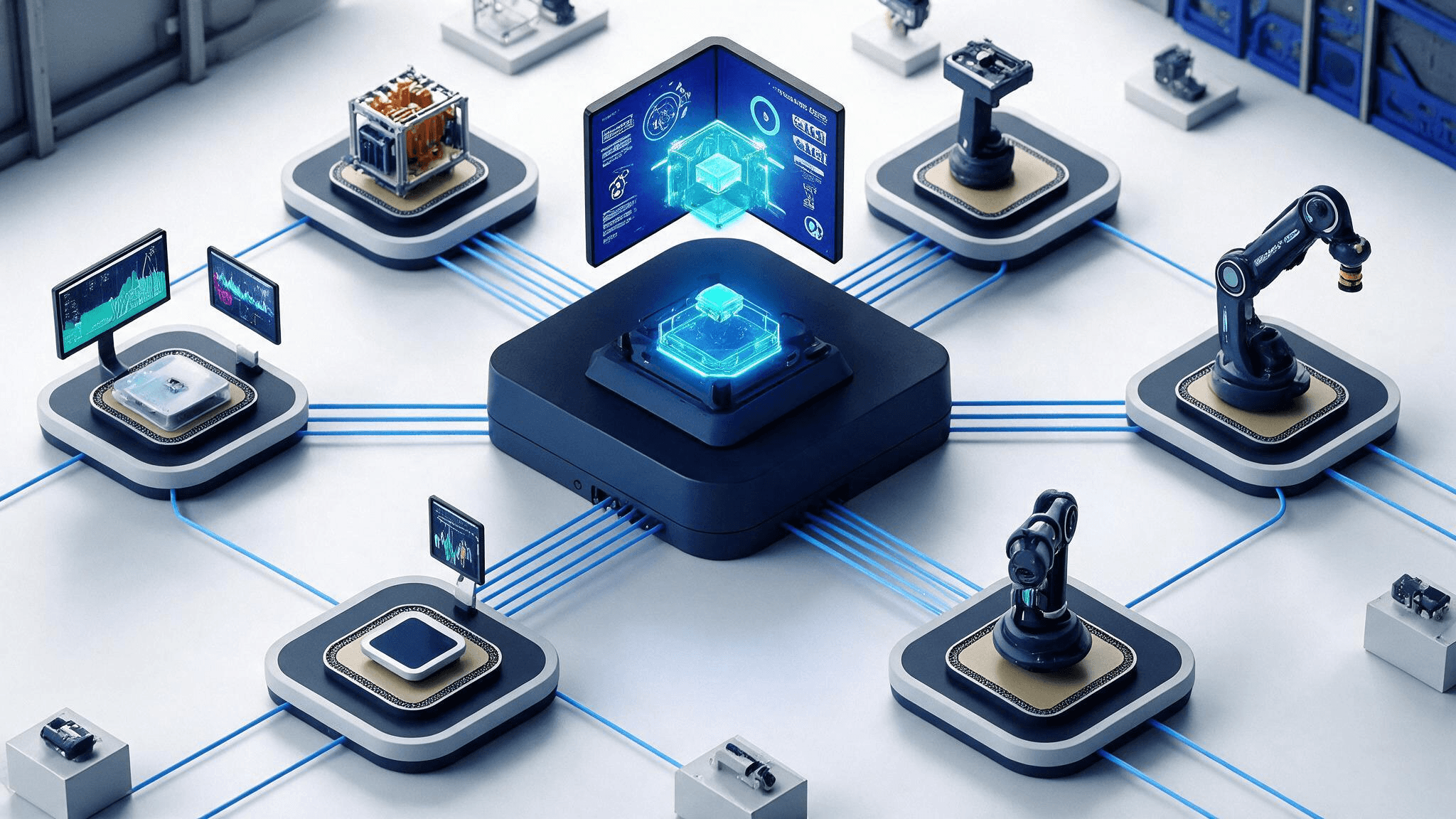
Visualisation, data/model, transport and physical — four layers connected as one data flow.
TWIN
Digital twin visualisation
Visualization Layer
3D Visualization
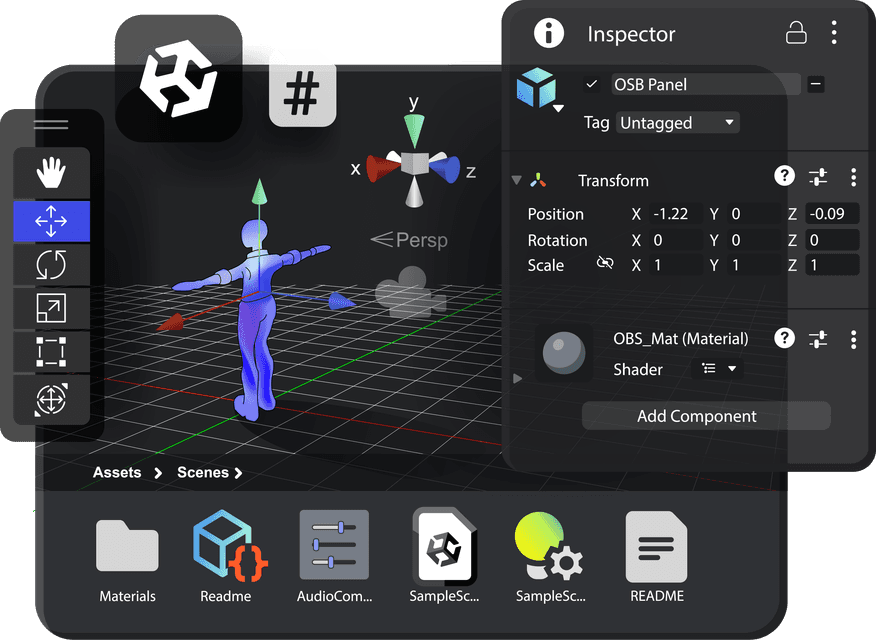
 Unity
Unity Blender
 WebGL
WebGLDigital Twin
 Real-Time Data
 3D Physics Simulation
 Cross-Platform
 Quality Prediction
 Smart Alarm
 Industry Safety
DATA
Data / model layer
Data & Model Layer
Data collection
Data storage
Data integration
Analytics / AI models
LINK
Transport layer
Transport Layer
OPC-UA based integration interface
PHYS
Physical layer
Physical Layer
Equipment controllers
 PLCProduction equipment
 CNCMachine tools
Robots
 Cobot
Cobot Industrial robot
 AGV / AMR
Identification
 Barcode
 RFID
RFID Machine vision
IoT sensors
 Power meter
 Temperature/humidity sensor
 Vibration sensor
ARCHITECTURE PROCESS
Four stages, from data collection and infrastructure through model development and integration testing to rollout.

EFFECT
What a digital twin leaves behind — in output, defect rate, working environment and cost.
BUSINESS OUTCOME
Higher output
Running 24/365 without interruption and handling tasks far faster than a person does, cutting processing time.
Uptime · output · tact time
Fewer defects
Sensor data raises an alert the moment something drifts, and past data plus the virtual environment explain the cause so the same mistake does not repeat.
Defect rate · anomaly detection · recurrence
A better working environment
Hazards in the areas people work in are simulated to raise safety, and emergency scenarios are rehearsed to sharpen the safety manual.
Hazard zones · emergency response · incidents
Lower costs
AI reads each machine's energy consumption pattern to strip out waste, and optimal work paths and process order cut labour and logistics cost.
Energy use · labour cost · logistics cost
CASE STUDY
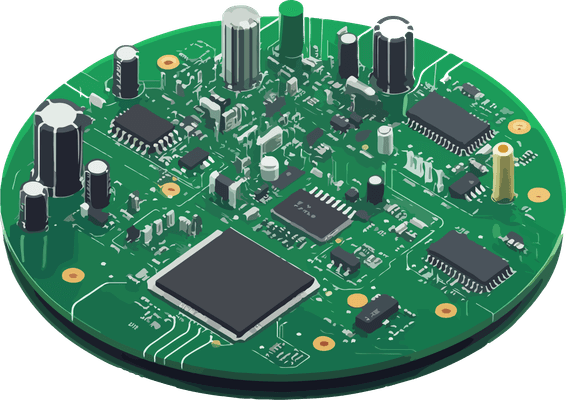
A factory rebuilt virtually, with power data linked in and carried through to predictive maintenance.
Customer industry
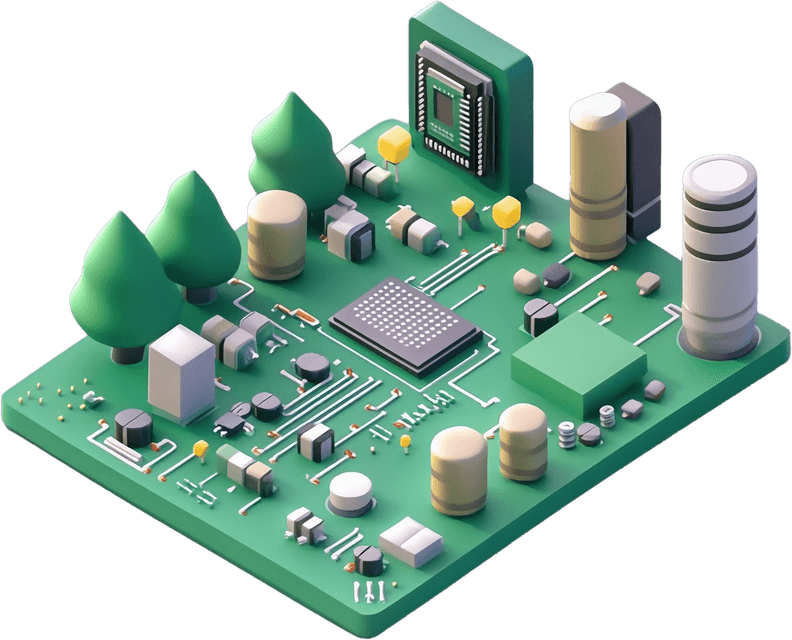
Printed circuit board (PCB) manufacturing
Before01
After02
Results
A digital twin that replaced manual rounds with live visibility
Run the change in the virtual plant before you make it.
Layout changes and added lines, simulated before the money is spent.
Talk to us